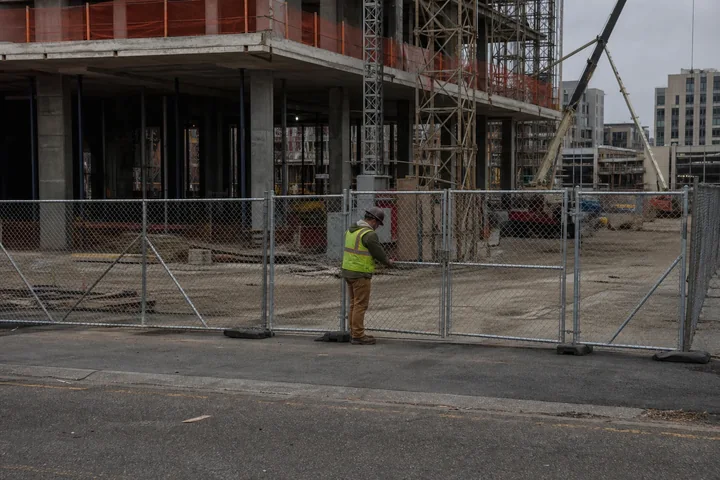
Portable and post-driven chain-link fence systems for construction, demolition, vacant properties and temporary security perimeters. A useful comparison begins with the real perimeter and ends with a written price covering delivery, setup, rental, service and removal.
1. Define what the portable fencing must control
State whether the perimeter protects an active construction site, separates event guests, secures equipment, controls pedestrians or creates temporary privacy. The purpose affects fence type, height, stability, gates and inspection frequency. Start with the matching temporary chain-link fencing rather than a generic panel count.
2. Measure the temporary fence line and gate openings
Mark the entire route on a current plan or walk it with a measuring wheel. Separate straight runs, corners, elevation changes and openings. Record vehicle and pedestrian gate widths. The answer to how much temporary fencing is needed should come from a usable layout, not only the property perimeter.
Put these chain-link fence priorities in writing
- Required linear footage and height
- Panel or post-driven installation
- Vehicle and pedestrian access
- Rental term and relocation needs
3. Choose panels, post-driven fence or barriers
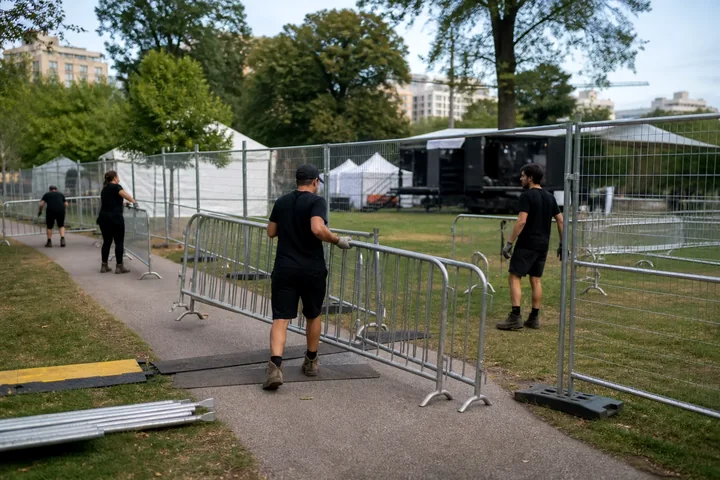
Portable fence panels can be placed on pavement and moved as work changes. Post-driven chain link creates a more continuous line where the ground permits installation. Crowd-control barricades guide people but are not a substitute for a full security perimeter. Review portable fence panels versus post-driven fence before setting quantities.
4. Match installation to soil, pavement and slopes
Document asphalt, concrete, compacted stone, lawn, soil, curbs and grade changes along the route. Bases, posts, bracing and ballast must suit those conditions without blocking required paths. Use the answers for temporary fencing on concrete and temporary fencing on slopes to expose difficult sections early.
5. Plan stability, wind exposure and privacy screen
Open chain link and screened fence do not behave the same in wind. Screen adds useful visual control but also increases wind load. Ask who determines bracing, ballast and acceptable screen coverage for the site. The detailed temporary fence wind guidance and privacy screen planning answer belong in the rental brief.
Compare delivery, installation, rental and removal together.
Share the ZIP, dates, measured footage, surface, gates and accessories.
6. Size temporary fence gates around real traffic
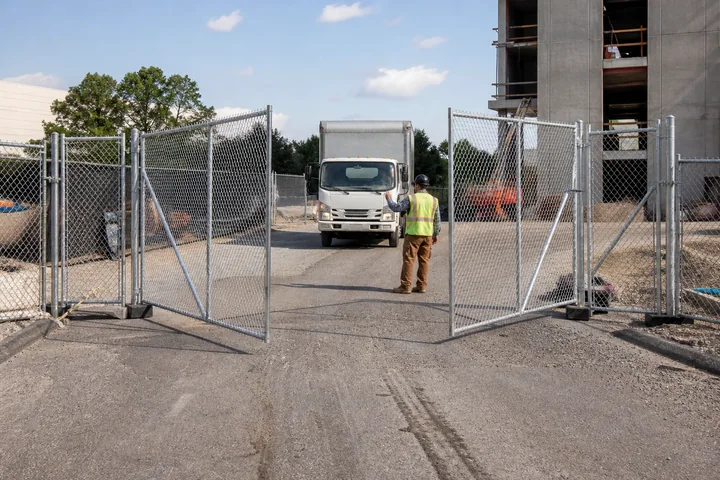
Identify delivery trucks, machines, emergency access, staff and attendees that cross the line. Mark opening direction, clear width and the person responsible for locking or monitoring each gate. Compare the available temporary fence gate options before the installer arrives.
7. Coordinate delivery and portable fence installation
Confirm truck access, unloading space, installation hours, surface restrictions and the sequence with other contractors or event crews. The fence route must be clear enough to install. Establish what happens when hidden utilities, parked vehicles or changed grades prevent the planned method. See how portable fencing is delivered and installed.
8. Compare temporary fence rental cost correctly
Rental cost varies with market, product, footage, duration, surface, gates, screen, mobilization and labor. Ask for separate, visible values when possible. A low per-foot number can be offset by delivery, minimums or accessories. Read the complete temporary fence rental cost answer and temporary fencing cost per foot guidance.
9. Review rental terms, service and relocation
Confirm the billing period, minimum term, extensions, damage terms, service response, relocation charges and removal notice. Assign routine inspections and the process for reporting a loose panel or blocked gate. If the layout will change, price temporary fence relocation during the rental rather than assuming it is included.
10. Verify placement and permit requirements
Check the actual authority controlling rights-of-way, sidewalks, visibility, event operations and construction-site requirements. Keep fencing within approved limits and preserve emergency access. Use temporary fence permit guidance as a starting checklist, then verify the address.
11. Compare portable fencing rental companies
Evaluate product condition, layout review, installation capability, schedule, local service, written exclusions and removal planning. Ask who handles changes after setup. The provider comparison should cover the complete outcome, not only available inventory. Use portable fence rental company questions consistently.
12. Prepare a pricing-ready chain-link fence request
Provide the delivery address and ZIP, intended use, start and end dates, linear footage, height, surface, gate schedule, privacy screen, access constraints and desired installation date. Ask each company to identify exactly what the temporary fence quote includes. Then request chain-link fence rental prices from one stable scope.